







Search Results for: single-origin bean brewing parameters
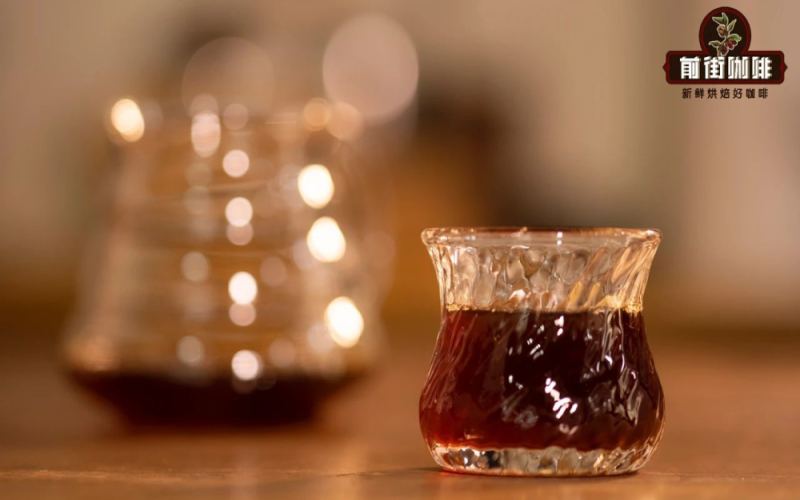
Pour-Over Coffee from Bean Selection to Parameters: Single-Origin Recommendations for Different Roast Levels and Water Ratios for Brewing with 15g of Coffee
To brew a delicious pour-over at home, choosing the right beans and mastering the water volume are key. This article starts with the regional character of single-origin coffees, then outlines flavor profiles and specific Front Street bean recommendations for light, medium, and dark roast levels, so even beginners can quickly find the style they enjoy. It then uses the classic Front Street Queen's Estate as an example to disclose the cafe's brewing parameters—Kono dripper, 88°C water, 15 g coffee, 1:15 coffee-to-water ratio, medium-fine grind—and breaks down the three-pour节奏 in detail: 30 g bloom for 30 seconds, second pour to 125 g, wait until the liquid level drops by half, then top up to 225 g, with a total extraction of about 2 minutes 10 seconds. After reading, you can replicate a clean and balanced pour-over by following the parameters. [more…]
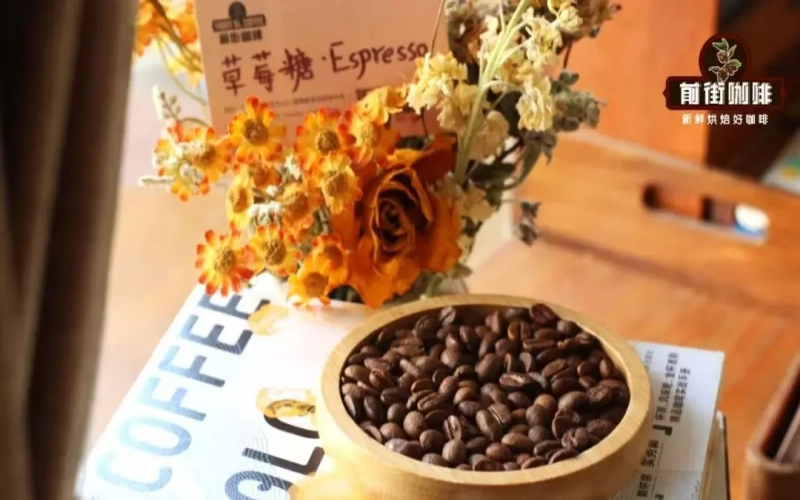
Can Espresso Beans Be Brewed as Pour-Over? A Full Analysis of Blend, Single-Origin, and SOE Characteristics and Brewing Parameters
Many coffee enthusiasts are curious: can espresso beans be used for pour-over? The answer is of course yes, but between "can brew" and "tastes good" lies a gulf of parameters. Espresso beans are usually roasted darker, with the aim of balancing the acidity and bitterness for both milk coffee and espresso. If you directly apply the parameters for light-roast pour-over beans, it is very easy to over-extract. This article starts with the differences in roasting, explains the respective characteristics of espresso blend beans, single-origin pour-over beans, and SOE, and, using Front Street Coffee's Huakui and Strawberry Candy Espresso as examples, provides pour-over adjustment plans for medium-roast espresso beans—lowering the water temperature and coarsening the grind—so as to brew a balanced, full-bodied coffee with a long, lingering finish. [more…]
Can Espresso Blend Beans Be Used for Pour-Over? Key Tips and Parameters for Making Lattes with Single-Origin SOE
Coffee has long become part of daily life, an invigorating drink many people can't do without. From espresso to the seemingly refined pour-over, there are all sorts of ways to make it. Front Street often uses the Sunflower Warm Sun blend beans when producing espresso, and is often asked: can espresso blend beans be used for pour-over? How should you drink a latte made with a single-origin SOE? This article will start with the difference between single-origin beans and blend beans, explain why SOE can amplify the flavors of a growing region to the extreme, and also explain why espresso favors blends, along with the specific parameters and brewing steps for Front Street's Warm Sun blend pour-over, helping you both understand the principles and get hands-on. [more…]
Can SOE single-origin beans be used for espresso? An article analyzing the flavor characteristics and extraction key points of SOE coffee.
In the world of espresso, SOE (Single Origin Espresso) is attracting more and more attention from coffee lovers. It refers to espresso made from single-origin coffee beans, with the core aim of showcasing the unique flavor personality of a particular origin, rather than pursuing the balanced consistency of blended beans. This article will start with the definition, flavor characteristics, and historical origins of SOE, explain how it differs from traditional blends, and recommend the types of coffee beans suitable for making SOE. At the same time, Front Street Coffee will also share the complete extraction parameters for Huakui SOE and the method for making a latte, helping you make a cup of single-origin espresso with clear flavor at home. [more…]
How is SOE different from espresso blends and pour-over single-origin coffees? A comprehensive analysis from flavor stability to extraction parameters
In recent years, the specialty coffee trend has driven the popularity of SOE, and many coffee enthusiasts are curious about how it differs from pour-over single-origin and traditional espresso blends. From the perspective of Front Street Coffee, this article first clarifies the definitions and roasting differences between single-origin coffee and SOE, then explains why SOE flavors tend to fluctuate and why Front Street has long favored blends and single-origin coffees, and finally provides specific brewing parameters and flavor descriptions for the sun-dried Huakui SOE and Front Street's classic blend, helping you judge whether SOE americano is actually good and how to make it at home without messing it up. [more…]
Bean Selection Guide for Making Americano with a Home Espresso Machine: A Full Breakdown of Brewing Parameters for Blends and Single-Origin Beans
To make a crisp, easy-drinking Americano at home with a coffee machine, choosing the right beans is the first step. An Americano is essentially espresso diluted with water, so the roast level and flavor profile of the beans directly determine success or failure. This article focuses on the home setting, first explaining why espresso beans are suitable for making Americanos, then offering specific recommendations in three directions: medium-roast blends, medium-dark roast commercial blends, and medium-roast single-origin SOE, including Front Street Coffee Strawberry Candy, Front Street Coffee Commercial Blend, Front Street Coffee Huakui, and Front Street Coffee Yirgacheffe Red Cherry, along with corresponding parameters for dose, extraction time, liquid weight, and water dilution ratio, so readers can follow them directly according to their taste. [more…]
SOE Single-Origin Espresso vs. Blended Espresso: Brewing Parameters, Flavor Profile, and Preparation Explained
In specialty coffee drinks, espresso is the foundation that determines flavor. In recent years, SOE (Single Origin Espresso) made from single-origin coffee beans has gradually become popular. It differs noticeably from traditional blended espresso in bean selection, roast level, extraction parameters, and flavor expression. This article will start from the definition of SOE, compare the characteristics of blended coffee beans, analyze why SOE has become popular, and use the washed Front Street Gedingding beans from Ethiopia's Yirgacheffe region as an example to fully demonstrate the production process and extraction parameters of a cup of SOE espresso, while also providing a flavor description to help coffee enthusiasts fully understand this brewing method. [more…]
Is It Feasible to Make Espresso from Single-Origin Pour-Over Beans? An Analysis of SOE Latte Flavor Characteristics and Extraction Key Points
Can single-origin beans used for pour-over also be used to make espresso? This is a question many coffee lovers are curious about. SOE (Single Origin Espresso) uses single-origin beans as its raw material and, through specific roasting curves and extraction parameters, presents the floral, fruity acidity or nutty, chocolatey notes unique to a growing region. Unlike blended beans, which pursue balance and consistency, SOE places greater emphasis on the recognizability of regional flavors and demands higher bean quality and barista skill. This article will start with the definition, characteristics, and origins of SOE, analyze which coffee beans are suitable for making SOE, and use Front Street Coffee's Huakui as an example to fully demonstrate the parameters and steps from espresso extraction to latte production, helping you make a cup of SOE latte with clear flavor and a smooth mouthfeel at home. [more…]
The Complete Guide to SOE Coffee: From Definition and Origins to Extraction Techniques, Unlocking the Pure Flavor of Single-Origin Espresso
SOE (Single Origin Espresso) has now become a regular on specialty coffee shop menus. It emphasizes highlighting the unique flavor characteristics of a certain region, forming a sharp contrast with blended espresso, which pursues balance and stability. This article will systematically sort out this coffee trend from the definition of SOE, its historical origins, bean selection, to specific extraction parameters. The article also combines Front Street Coffee's years of experience to share how to choose single-origin beans suitable for making SOE, as well as the complete extraction plan for Huakui SOE and the details of latte preparation, helping coffee lovers make a cup of single-origin espresso with clear flavor and outstanding taste at home. [more…]
SOE Coffee Full Guide: Definition, Flavor Characteristics, and Practical Brewing Tips for Single-Origin Espresso
SOE is the abbreviation for Single Origin Espresso, which in Chinese means single-origin espresso. Its core lies in using single-origin coffee beans to make espresso, thereby highlighting the unique flavor of a specific region. In recent years, with the spread of information from the specialty coffee wave and barista competitions, this style has gradually become popular. However, SOE places higher demands on bean quality and roast level, and during extraction, parameters and the milk-to-coffee ratio also need to be adjusted. This article will outline the concept of SOE, recommend three Front Street Coffee SOE beans, and share precautions during preparation, helping coffee enthusiasts gain a more comprehensive understanding of this style. [more…]
Can Espresso Blend Beans Be Used for Pour-Over? A Comprehensive Analysis of the Differences Between Espresso Beans and Single-Origin Beans and Brewing Recommendations
In an era where espresso and pour-over coffee coexist, many enthusiasts wonder: what happens if you use espresso blend beans for pour-over? From the perspective of Front Street Coffee, this article sorts out the essential differences between espresso blend beans and single-origin beans, explores the feasibility and flavor performance of using espresso beans for pour-over, and provides specific pour-over parameter references. At the same time, the article also introduces the flavor characteristics and prices of several Front Street espresso blend coffee beans, helping readers make choices according to their needs. Whether you want to try a new approach or want to understand the art of blending, you can gain practical information from it. [more…]
How to Choose Espresso Beans? Blend vs. SOE Differences, Yunnan Bean Extraction Parameters, and Latte-Making Ideas
What coffee beans should you choose for making espresso? This article analyzes it from two directions: blends and single origins. Blended beans are known for their stability and complementary flavors—Front Street Coffee's Classic Blend and Strawberry Candy Blend each have their own characteristics. SOE, on the other hand, focuses on amplifying the flavor distinctiveness of a single origin, but places higher demands on roast level and extraction parameters. The article also compiles a specific extraction recipe for Front Street Coffee's Natural Red Cherry SOE, including dose, yield, time, and brew ratio, for home coffee enthusiasts to reference. [more…]
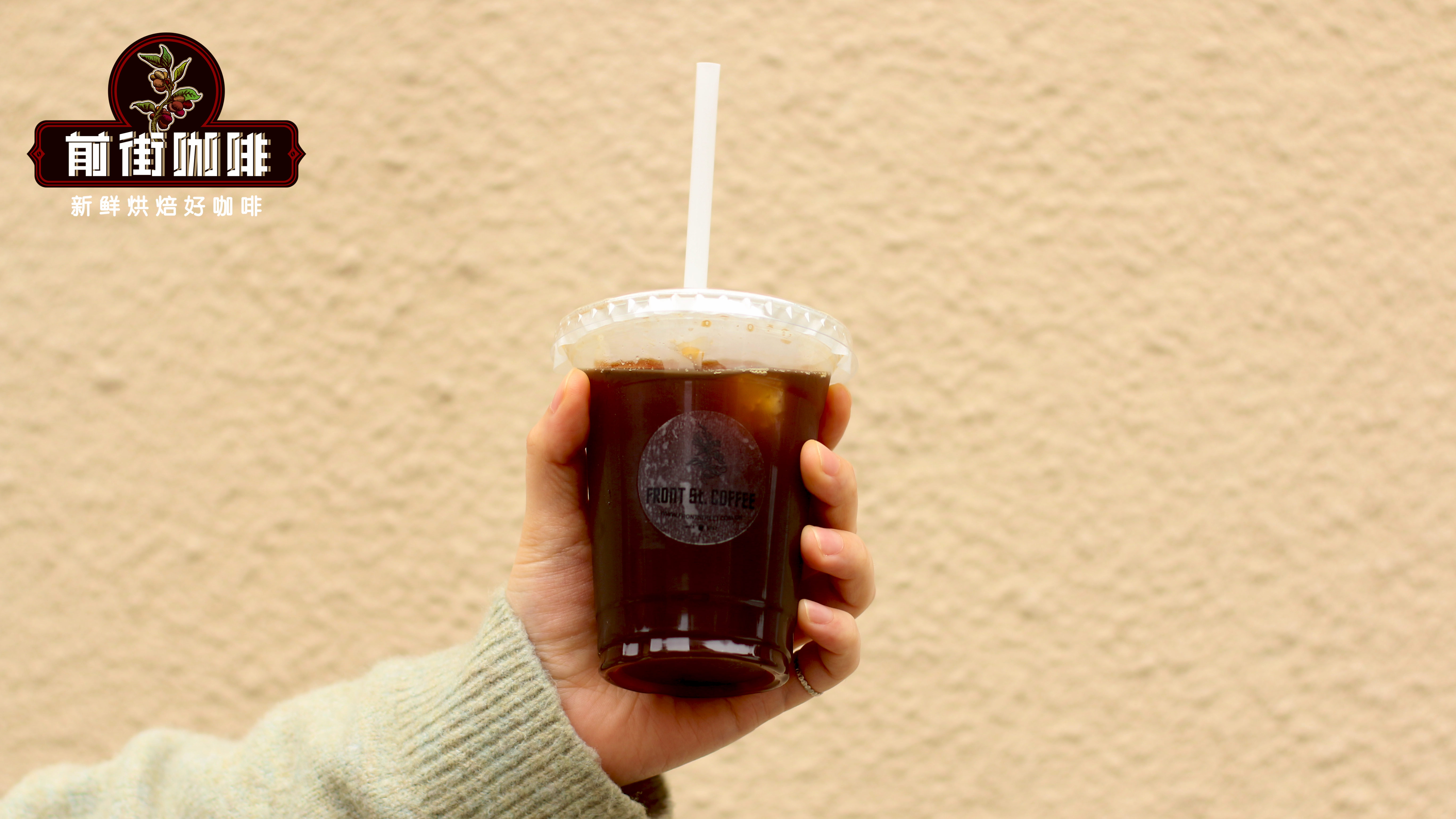
Iced Americano Coffee Brewing Guide: A Breakdown of Blend vs. Single-Origin Bean Choices and Extraction Techniques
As the weather gradually turns cooler, many regions remain hot, and iced Americano is still the top choice for many coffee lovers to beat the heat. Front Street Coffee's Americano is highly favored for its unique subtle wine-like aroma. This article will detail how to make iced Americano, explore the differences between using blended coffee beans and single-origin coffee beans (SOE), and share Front Street Coffee's espresso extraction parameters and iced Americano preparation steps. At the same time, the article will also provide practical tips for making SOE Americano, helping you easily make a cup of iced Americano with stable flavor and a refreshing taste at home. [more…]
Can SOE single-origin beans be used for pour-over? A full analysis of the differences between single-origin and blends and pour-over parameters
When ordering at a café, espresso and pour-over often correspond to two paths: blended beans and single-origin beans. In recent years, many high-quality single-origin beans have been made into SOE versions for espresso extraction. So can these SOE beans be used for pour-over? And what exactly is the difference between them and pour-over single-origin beans? This article will start from the concept and characteristics of SOE, compare the differences between blended beans and single-origin beans, explain the divergence in roasting curves between SOE and pour-over single-origin beans, and provide suggestions on water temperature and grind size when using SOE beans for pour-over, helping coffee enthusiasts find a suitable brewing plan under different roast levels. [more…]
Why Is Pour-Over Coffee the Top Choice for Single-Origin Offerings in Coffee Shops? A Comprehensive Analysis of Six Major Advantages
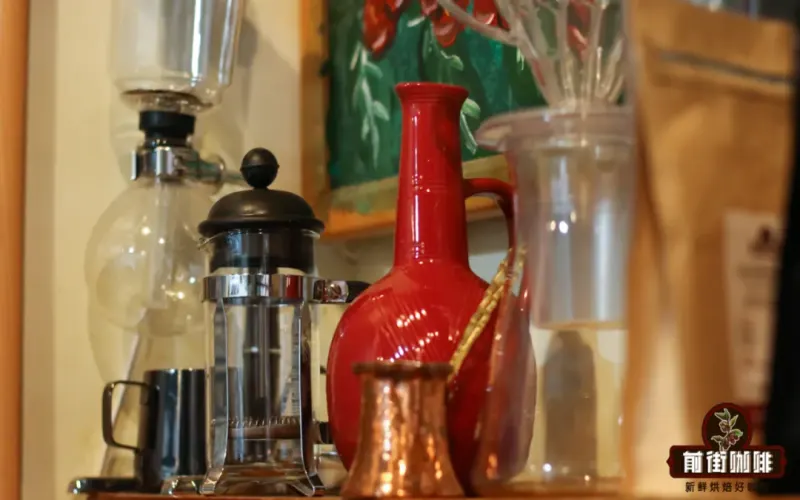
When ordering single-origin coffee in a café, have you ever noticed that it is almost always served as pour-over? Why not a siphon, French press, or some other device? The answer is actually not complicated—pour-over coffee has the most well-balanced overall capabilities, making it a true all-rounder among brewing devices. It performs well across six dimensions: flavor expression, ease of operation, speed of service, controllability of parameters, variety of brewing styles, and visual appeal. From the perspective of Front Street Coffee, this article will analyze these six advantages one by one, helping you understand why pour-over coffee has become the preferred method for cafés brewing single-origin beans. [more…]
Can Mandheling single-origin beans be used to extract SOE? A comprehensive analysis of espresso and pour-over parameters and flavor differences
Many friends who are just getting into coffee often can't tell the difference between Mandheling and espresso, and may even think both are representatives of bitterness. In fact, Mandheling is a single-origin coffee, while espresso is mostly made from blended beans. So can Mandheling coffee beans be used to make SOE? How should its espresso extraction and pour-over parameters be set? How does the flavor expression differ? This article will start with a comparison between Front Street Mandheling and espresso blend beans, answer these questions in detail, and recommend several popular Front Street espresso blends and Mandheling single-origin beans, helping coffee enthusiasts more clearly understand the differences between the two and find a brewing method that suits them. [more…]
The Brewing Method and Bean Selection for Iced Americano: An Analysis of the Flavor Differences Between Blended and Single-Origin Espresso
As autumn arrives but the heat lingers, a glass of iced Americano remains the go-to cooling choice for many coffee lovers. Front Street Coffee often receives feedback from customers saying that the Americano in our shop carries a subtle hint of wine-like aroma, which leaves a lasting impression. So, should iced Americano be made with single-origin beans or a blend? What are the differences between the two in terms of flavor expression and extraction stability? Starting from Front Street Coffee's actual production, this article will break down the steps for making iced Americano and the espresso extraction parameters in detail, compare the pros and cons of blend espresso versus SOE in Americano applications, and offer adjustment suggestions for SOE Americano, helping you find the cup that best suits your taste. [more…]
Why Is SOE Coffee More Expensive Than Blends? Defining Single-Origin Espresso and Blends, and Analyzing Their Flavor Differences
In recent years, SOE single-origin espresso has rapidly gained popularity in China's coffee scene, with many chain brands leveraging it to create their own signature offerings, forming a new trend. What exactly is the difference between SOE and espresso blends? Why is the price of SOE generally higher than that of blend beans? This article starts with the definitions, roasting approaches, and flavor presentation of the two, analyzing one by one how factors such as bean grade, roasting control, and brewing difficulty drive up the cost of SOE, and combines Front Street Coffee's store experience to share key points on bean selection, extraction parameter adjustment, and freshness management when making SOE at home, helping you easily brew a cup of excellent single-origin espresso. [more…]
How to Make Delicious Cold Brew Coffee: Single-Origin Bean Selection Ideas and Brewing Parameters Explained
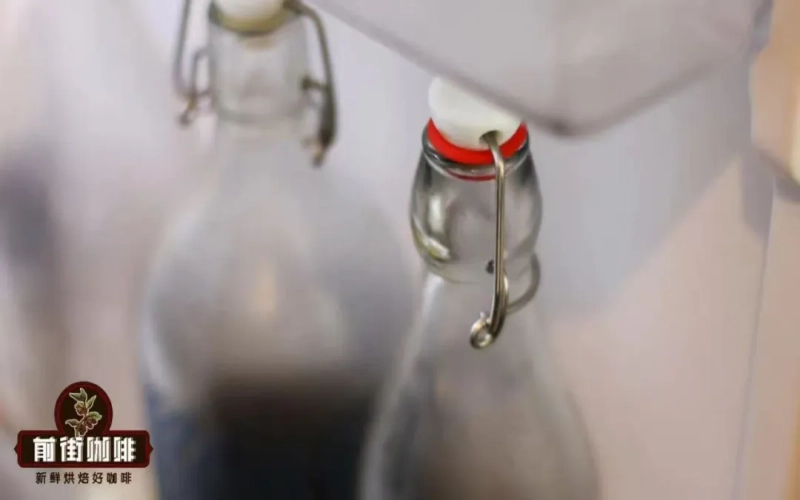
Cold brew coffee is made in a special way and needs to be prepared a day in advance, so cafes usually do not offer as many bean choices as they do for pour-over. This article focuses on the brewing method and water-to-coffee ratio parameters for cold brew, starting with Front Street Coffee's cold brew procedure: using 50 grams of coffee grounds as the base, with a grind size referencing an 85% pass rate through a No. 20 standard sieve, paired with 400 milliliters of room-temperature water and 200 grams of hard ice cubes, at a coffee-to-water ratio of 1:12, left to steep in the refrigerator for 12 to 24 hours before filtering, then refrigerated for about 4 hours before drinking. It then combines the characteristics of cold brew—not bitter, mildly acidic, mellow in flavor, and with a low-temperature aging and fermentation feel—to share directions for selecting single-origin beans suitable for cold brew, including washed process and Geisha (T2722), and gives specific recommendations from Front Street Coffee's bean list. [more…]
The Flavor Characteristics of SOE Single-Origin Espresso and Key Points for Making the Perfect Latte
SOE stands for Single Origin Espresso, which refers to espresso extracted from coffee beans of a single origin, with the core purpose of showcasing the signature flavors of a specific region. Unlike blended beans, which pursue balance and consistency, SOE places more emphasis on origin personality, typically using a lighter roast to highlight floral and fruity notes, though there are also darker-roasted styles with nutty and chocolatey characteristics. This article will systematically explain how to make a delicious cup of SOE coffee and latte, covering the definition of SOE, its characteristics, historical origins, bean selection recommendations, and specific extraction parameters, and will also include the complete operating procedure for Front Street Coffee's Huakui SOE. [more…]